
Masseter Botox Before and After
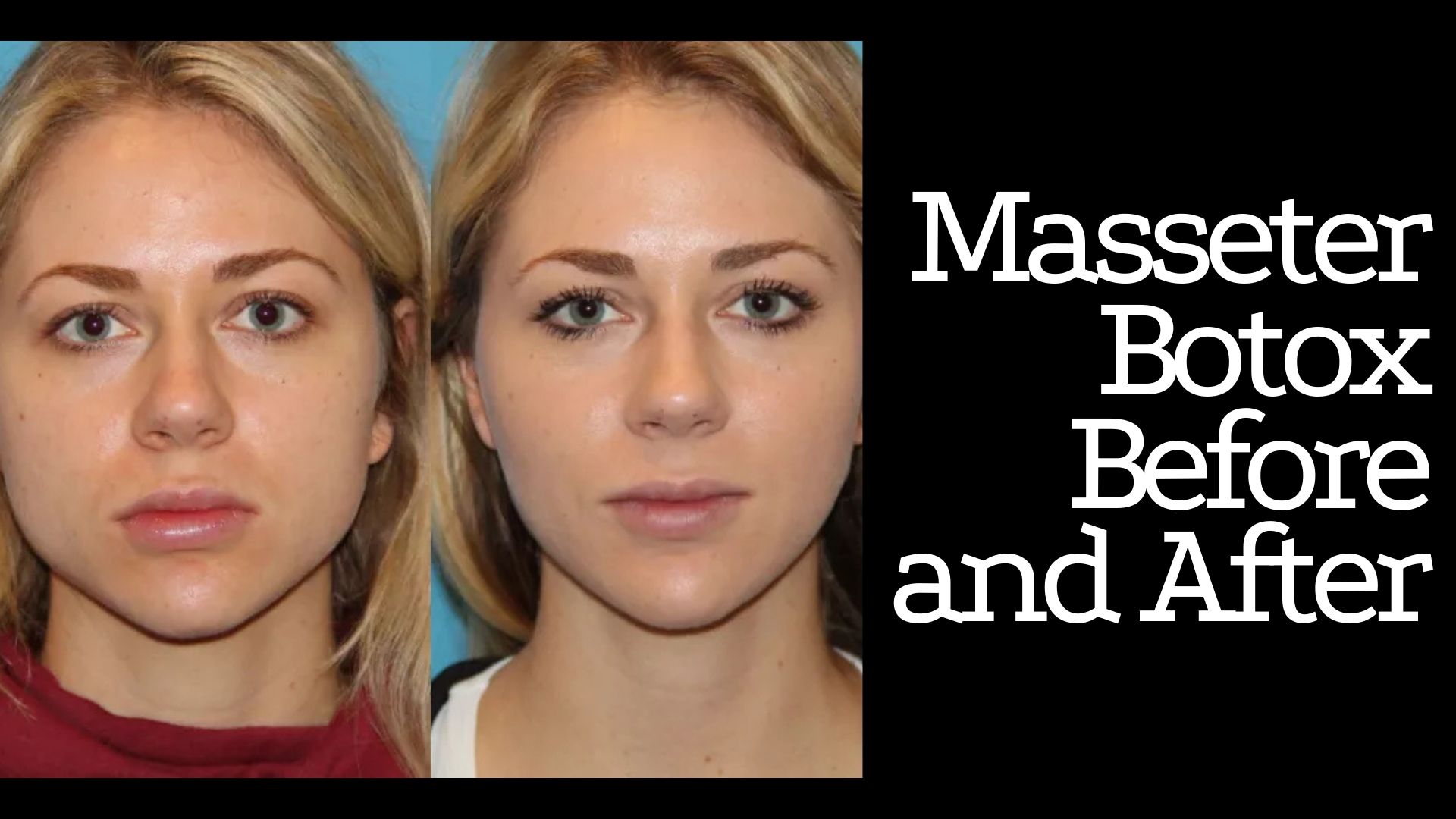
Botox is one of the most popular and widely recognized cosmetic treatments globally, known for its ability to reduce wrinkles and rejuvenate facial aesthetics. However, Botox is not limited to anti-aging applications; it also serves a variety of other cosmetic and therapeutic purposes. One such use of Botox is to treat enlarged masseter muscles, often associated with a square or broad jawline. In this article, we’ll explore the transformative effects of masseter and jaw Botox, providing a thorough understanding of the procedure, the before and after results, and the potential benefits for individuals seeking a slimmer jawline and relief from jaw-related discomfort.
Understanding Masseter and Jaw Botox
What Are Masseter Muscles?
The masseter muscles are one of the primary muscles responsible for chewing. Located on each side of the jaw, these muscles enable the process of biting and grinding food. While these muscles are essential for everyday functions like eating and speaking, some people experience an overdeveloped masseter muscle, which leads to a wider, square jaw appearance. This hypertrophy (muscle enlargement) can occur due to genetics, habits such as teeth grinding (bruxism), or constant jaw clenching, especially in individuals who are under stress.
A larger, more pronounced jawline may be desirable for some, but for others, this appearance can feel masculine or disproportionate to their facial features. For those looking for a softer, more tapered jawline, Botox injections into the masseter muscle can offer a non-surgical solution to slim and contour the face.
How Does Botox Work for the Jaw?
Botox works by temporarily relaxing the muscles it is injected into. When Botox is injected into the masseter muscle, it reduces the muscle’s ability to contract and function at full capacity. Over time, as the muscle becomes less active, it shrinks and becomes smaller, leading to a narrower jawline.
In addition to its aesthetic benefits, Botox injections in the jaw can provide therapeutic relief for individuals who suffer from teeth grinding (bruxism), jaw clenching, or temporomandibular joint (TMJ) disorders. By reducing the strain on the jaw muscles, Botox can relieve pain and discomfort associated with these conditions, improving both appearance and function.
Before and After: Transformations with Masseter Botox
Before Treatment
Before undergoing masseter Botox, individuals typically present with a more square or wide jawline due to hypertrophy of the masseter muscles. This can be a natural result of genetics or exacerbated by habits such as clenching the jaw or grinding teeth. Individuals who experience jaw tension or discomfort related to teeth grinding, jaw clenching, or TMJ issues may also find themselves dealing with physical discomfort alongside the aesthetic concerns.
Common signs that may indicate a person could benefit from masseter Botox include:
- A wide, square jawline that appears too prominent or out of balance with other facial features.
- Muscle tension in the jaw, leading to discomfort or headaches from clenching or grinding.
- TMJ-related symptoms like pain, clicking, or popping in the jaw joints.
In this stage, many patients are looking for a solution that offers a subtle, natural slimming effect to the jawline and a reduction in muscle tension.
After Treatment
Post-treatment, the results of masseter Botox are gradual but can be highly effective in transforming the jawline. It typically takes a few weeks for the Botox to fully take effect, with optimal results appearing around 2 to 3 months after treatment. During this time, the masseter muscles will begin to shrink in size, leading to a softer, more tapered jawline.
Key Benefits:
- Slimmer Jawline: One of the most noticeable outcomes of masseter Botox is a reduction in the width of the jaw, which can result in a more feminine or contoured appearance.
- Jaw Relief: Botox also helps alleviate the symptoms of bruxism, jaw clenching, and TMJ discomfort. Many patients experience relief from headaches and jaw pain, making the procedure beneficial for both aesthetic and functional reasons.
- Improved Facial Harmony: As the jawline narrows, the overall symmetry of the face improves, leading to a more balanced and harmonious look.
The after-effects of the treatment leave individuals with a youthful, refreshed appearance, with less jaw tension and more refined facial features. Importantly, the results are subtle and natural, avoiding any “overdone” appearance and ensuring that the jawline retains its natural structure while achieving the desired slimming effect.
Procedure Details
Consultation
The first step in any Botox treatment is a consultation with a qualified cosmetic practitioner. During the consultation, the practitioner will evaluate the patient’s facial anatomy and discuss aesthetic goals. The masseter muscle will be palpated (felt) to assess its size and activity. Patients should also discuss their medical history to ensure there are no contraindications to Botox treatment, such as allergies or specific neurological conditions.
A professional consultation ensures that the treatment is tailored to the patient’s individual needs, both in terms of desired outcome and safety.
Treatment Process
The Botox procedure for masseter slimming is minimally invasive and relatively quick. It is performed in an outpatient setting, typically taking about 15 to 30 minutes. The process involves the following steps:
- Marking the Treatment Area: The practitioner will mark the masseter muscles on each side of the face to ensure precise injection placement.
- Injecting Botox: Using a very fine needle, Botox is injected into the marked areas of the masseter muscles. The number of injections may vary based on the size of the muscles and the desired results.
- Post-Treatment Care: No downtime is required after the procedure. Patients may experience mild swelling or bruising at the injection sites, but these effects are temporary and usually subside within a few days.
While the procedure is generally well-tolerated, patients may experience some discomfort at the injection sites, though the pain is typically minimal.
Recovery and Aftercare
One of the major advantages of masseter Botox is that there is minimal downtime associated with the procedure. Most patients can resume their normal daily activities immediately after the treatment. However, there are a few aftercare guidelines to ensure optimal results:
- Avoid massaging or applying pressure to the treated area.
- Refrain from intense physical activity or exercise for the first 24 to 48 hours after treatment.
- Patients should avoid lying down flat for at least 4 hours post-treatment.
In most cases, patients are able to resume their usual routines within a day or two.
Comparing Masseter Botox to Other Jawline Contouring Treatments
Masseter Botox is just one option for individuals looking to alter the appearance of their jawline. Other treatments, such as dermal fillers or surgical procedures like jawline surgery or liposuction, can also address concerns related to the jawline. However, Botox remains a highly sought-after option due to its non-invasive nature, quick recovery time, and ability to provide natural, subtle results.
Here’s a brief comparison of the different treatments:
- Masseter Botox: Non-invasive, minimal downtime, and effective for slimming the jawline and treating bruxism. Results are temporary, lasting around 4 to 6 months.
- Jawline Fillers: Dermal fillers can be used to add volume and contour to the jawline, offering a more sculpted appearance. Results are also temporary but can last 6 to 12 months.
- Jawline Surgery: Surgical options like jaw contouring or liposuction offer permanent results but require a longer recovery time and are more invasive.
Considerations and Choosing the Right Treatment
When deciding whether masseter Botox is the right treatment for you, there are several factors to consider:
- Aesthetic Goals: If you are looking to slim a wide jawline and enjoy a more tapered appearance, Botox is an excellent non-surgical option. If you desire more dramatic results or wish to add volume, other treatments such as fillers may be appropriate.
- Jaw Discomfort: If you suffer from teeth grinding, jaw clenching, or TMJ disorders, Botox may provide significant therapeutic relief in addition to aesthetic benefits.
- Budget and Commitment: Botox requires repeat treatments to maintain results, typically every 4 to 6 months, while surgical procedures offer permanent changes but come with a higher cost and recovery time.
A consultation with a skilled practitioner can help you make an informed decision that best fits your needs and goals.
Conclusion
Masseter and jaw Botox offer a powerful solution for individuals seeking a slimmer, more contoured jawline, as well as those experiencing jaw-related discomfort. Whether for cosmetic purposes or therapeutic relief, the before and after results of masseter Botox are remarkable. With minimal downtime and long-lasting effects, Botox provides a safe and effective option for enhancing facial aesthetics and improving overall quality of life.
As with any cosmetic treatment, it’s essential to seek the guidance of a trained and experienced professional to ensure the best possible results.
How long do the results of masseter Botox last?
The effects of masseter Botox typically last 4 to 6 months. Maintenance treatments are required to sustain the results.
Is masseter Botox painful?
The procedure involves only mild discomfort during the injections, as a fine needle is used. Most patients find the treatment tolerable.
Can Botox cause permanent changes to the jawline?
No, the effects of Botox are temporary. The masseter muscles will gradually return to their original size after the Botox wears off, so repeat treatments are necessary for long-term results.
Who is a good candidate for masseter Botox?
Masseter Botox is ideal for individuals with enlarged jaw muscles or those suffering from teeth grinding, jaw clenching, or TMJ disorders. A consultation with a qualified provider can help determine if this treatment is right for you.
Are there any risks associated with masseter Botox?
While the procedure is generally safe, there are minor risks such as swelling, bruising, or asymmetry. Serious side effects are rare but can be discussed with your practitioner beforehand.


