Invisalign Before and After 6 Months
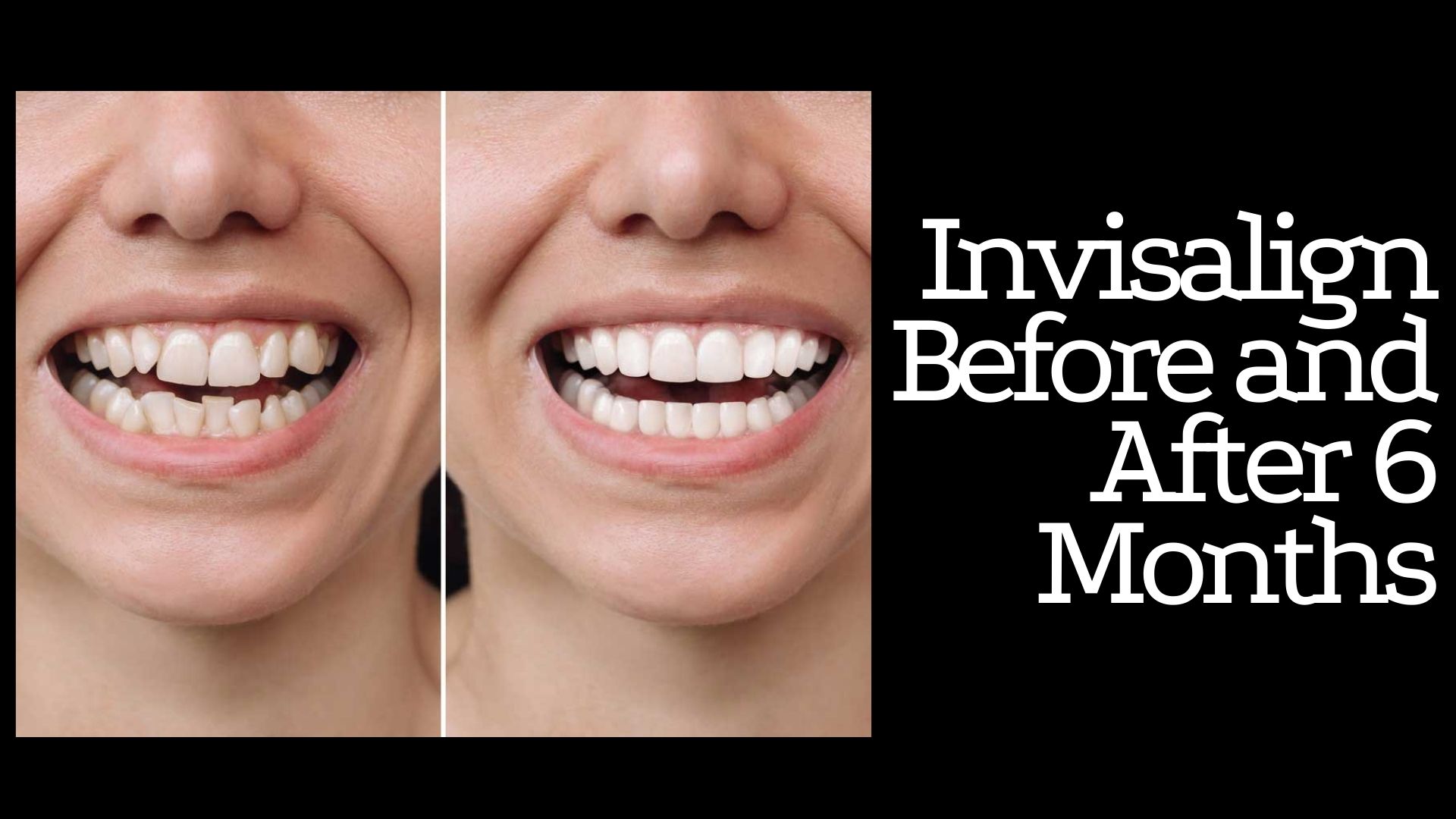
Invisalign has revolutionized the world of orthodontics by offering a discreet and effective alternative to traditional metal braces. As technology continues to advance, more people are opting for Invisalign, especially when looking to enhance their smiles in a relatively short amount of time. This article will provide a detailed overview of what to expect from Invisalign treatment, with a specific focus on the progress made by patients at the six-month mark.
Understanding Invisalign Treatment
Invisalign is an innovative orthodontic treatment that uses a series of clear, custom-made aligners to gradually shift teeth into their ideal positions. These aligners are designed to be worn for approximately 20 to 22 hours per day, with each set typically replaced every one to two weeks. Unlike traditional braces, Invisalign aligners are virtually invisible, making them a preferred choice for individuals looking for a more aesthetic treatment option.
Invisalign treatment begins with an initial consultation with an orthodontist or a qualified Invisalign provider. During this consultation, a thorough dental examination takes place, followed by the creation of a personalized 3D treatment plan. This plan is generated using advanced digital technology, which maps out the movement of each tooth over time.
Throughout the treatment, patients wear a series of aligners that gradually move their teeth. The number of aligners depends on the complexity of the dental issues being addressed. Treatment typically lasts from several months to over a year, with follow-up visits every four to six weeks to ensure the treatment is progressing as planned.
Expected Progress at the 6-Month Milestone
At the six-month mark, patients often begin to see noticeable improvements in their dental alignment. While individual results can vary based on the complexity of the case, many people will experience the following changes:
- Improved Tooth Positioning: One of the first noticeable changes that occur is the repositioning of teeth. Teeth that were once crooked, crowded, or spaced unevenly begin to align more symmetrically. Whether it’s a slight shift or more significant movement, patients often see a straighter, more uniform smile within six months of using Invisalign aligners.
- Enhanced Bite Function: Invisalign treatment addresses a variety of bite issues, such as overbite, underbite, or crossbite. After six months of treatment, many patients experience improvements in their bite function. This can lead to better chewing, speaking, and overall comfort in the mouth.
- Increased Confidence: With the gradual improvement of their smile, patients often feel a boost in self-esteem. The aesthetic benefits of Invisalign—combined with the discreet nature of the treatment—help many individuals feel more confident in both social and professional situations.
Real-Life Transformations
Invisalign treatment has made a significant impact on the lives of many patients, delivering transformative results. Here are a few examples:
- Amy’s Journey: Amy began her Invisalign treatment to address spacing between her teeth. After six months of treatment, her teeth were significantly more aligned, and the spaces between her teeth were reduced. Amy found herself smiling more confidently and felt that her dental health had improved, particularly in terms of easier brushing and flossing.
- David’s Experience: David had severe rotation and crowding in his upper teeth, which affected both the appearance and function of his smile. Six months into his Invisalign treatment, David’s upper teeth had shifted into better positions, creating a more harmonious smile. He also reported feeling less discomfort while chewing, as the new alignment allowed for a more natural bite.
These success stories illustrate the potential for Invisalign to deliver significant improvements in both the aesthetic appearance and functional aspects of a patient’s smile in just six months of treatment.
Maintaining Results Post-Treatment
After completing the Invisalign treatment, it is essential for patients to maintain their results and ensure that their teeth do not shift back to their original positions. This requires continued care, including the use of retainers.
- Retainer Use: Wearing a retainer is a critical part of the post-treatment phase. Retainers help maintain the new alignment of the teeth and prevent them from gradually shifting back. It is essential to follow the orthodontist’s instructions on how long to wear the retainer and when to switch to nighttime-only use. Retainers are often worn for several months after treatment but may be required long-term for some individuals.
- Regular Check-Ups: Periodic visits to the orthodontist are important for monitoring the health of the teeth and ensuring that the alignment remains intact. These check-ups are particularly crucial in the months following the completion of Invisalign treatment. Early detection of any issues allows for quick intervention and minimizes the chances of teeth shifting back out of alignment.
Conclusion
Invisalign provides an effective and discreet way to straighten teeth, with many patients experiencing significant improvements within just six months of treatment. Whether it’s correcting minor spacing issues, enhancing bite function, or boosting self-confidence, Invisalign offers a solution that fits into the busy lives of adults and teenagers alike.
By understanding the treatment process, maintaining consistent care, and following the guidance of an orthodontist, patients can achieve and retain a beautiful, functional smile for years to come. If you’re considering Invisalign, a consultation with an experienced orthodontist will help you determine the best course of action for your individual dental needs.